From AI police to AI partner: Building trust through transparency
Transform AI from surveillance tool to teaching partner. Learn transparency strategies that build educator trust and improve student outcomes.
Stephanie Howell • Nov 6, 2025
Instructional Coaching & Professional Learning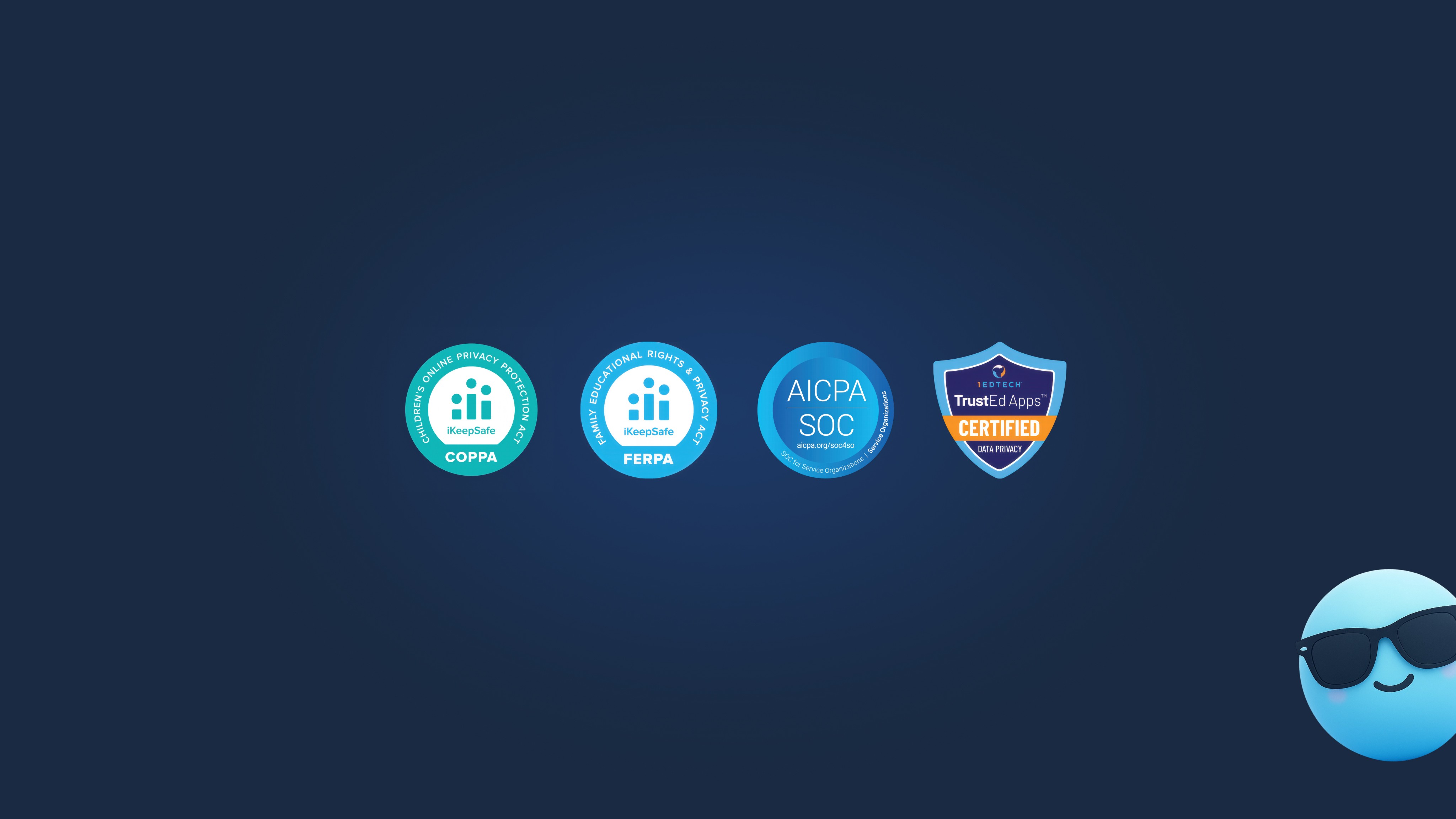
Key takeaways
-
When AI shows you exactly what data it collects and why, you stay in control and trust grows.
-
Strong privacy rules and bias checks help AI support learning instead of policing students.
-
Clear dashboards let you review and change every AI suggestion, keeping you in the driver's seat.
-
Open conversations with families about how you use their data build community support for new tools.
-
SchoolAI's Spaces, My Space, and Mission Control follow these practices while protecting student trust.
Your principal announces a new "student success platform" at the next faculty meeting. Your first thought? Probably not excitement. More likely: What data will this collect? Who's watching my students now?
You're not alone in that reaction. Stories of constant monitoring and data collection have made teachers wary, and for good reason. AI tools that feel like surveillance can break down classroom trust faster than they claim to build student success.
But here's what's changing: the same technology can become something completely different. A teaching assistant who spots struggling students before they fall behind. A feedback tool that personalizes practice without judgment. A time-saver that keeps you firmly in control.
The difference between "AI police" and "AI partner" shapes everything. What follows shows you how to build that trust and choose platforms that keep you in the driver's seat.
When monitoring felt like surveillance
Early AI in schools was mostly watched. Platforms scanned emails, chats, and search terms, flagging anything that looked risky or "off-task." Some systems reviewed millions of student messages, creating a sense of constant surveillance.
That approach left many teachers uneasy. Data flowed out, explanations rarely flowed back, and false alerts sometimes led to needless discipline. Trust broke down because technology worked on students rather than with them.
For example, when a behavior-tracking tool flags a student's dystopian short story as "concerning," even though it's clearly labeled as fiction, teachers waste time defending creative work rather than teaching. Some educators switched to AI writing coaches that provided feedback without surveillance features, helping students feel supported instead of watched.
This shift from monitoring to partnership matters because you only invite AI into your classroom when you trust it. When that trust exists, student engagement climbs, and your time shifts back to teaching where it belongs.
Three privacy questions that reveal trustworthy tools
You can't trust what you can't understand. The most significant barrier to AI adoption isn't technology; it's the black box problem.
Every tool should answer these questions clearly:
-
What data gets collected and why?
-
How long has it been stored, and where?
-
Who can access it and under what conditions?
When platforms can't provide straight answers, trust disappears. Some digital platforms have faced scrutiny for unclear practices regarding data collection and retention, raising valid concerns among parents and educators.
The laws protecting students also apply to AI. Tools must comply with FERPA and COPPA, just as any educational technology does. But compliance alone doesn't guarantee transparency.
Equity issues compound the problem. Algorithms trained on limited data sometimes misunderstand slang or cultural references, flagging certain groups more frequently. As one principal put it: "If we can't explain the flag, we can't defend the student."
Academic integrity detectors occasionally mark original student work as plagiarized. Understanding these privacy risks helps you recognize when new policies actually address them.
How new guidelines shift control back to teachers
The rules around AI in schools are catching up with what teachers need: clear boundaries that protect students while keeping you in control.
Recent federal guidance emphasizes that you stay the decision-maker, and AI stays your helper. This shift shows up in real districts implementing new policies. For instance, when schools update their tech policies using the Department of Education's checklist, they can see precisely where student data goes. By eliminating unnecessary tracking and adding teachers to review committees, staff report feeling "in the loop" instead of "under surveillance" within weeks of implementation.
The newest guidelines make expectations specific: collect only necessary data, follow secure storage practices, and keep humans in the final decision loop. It's recommended, though not legally required, that important student decisions made with AI assistance still involve human approval.
These policy changes create the foundation for trust, but you still need practical strategies to implement them in your classroom.
5 ways to build trust through daily practice
Understanding privacy matters, but putting that knowledge into action builds real trust. Here's how to make it happen in your school:
1. Get involved in tool selection
Your classroom experience ensures the vetting process focuses on teaching realities rather than sales pitches. When districts include teachers on review committees, they choose tools that actually work for daily instruction.
2. Test the "explainability" standard
If you can't explain how a tool makes decisions in plain language, keep looking. Dashboards should show what data the system uses and what triggered each suggestion; no black boxes in your classroom.
3. Start training small and practical
A 30-minute workshop each month beats a marathon session. Focus on spotting false positives and overriding suggestions when they don't make sense. This protects both student equity and your teaching autonomy.
4. Keep families in the conversation
Send a brief update after the first month. Share what the system suggested, how you responded, and how student data stays protected. Regular communication cuts AI-related parent complaints significantly.
5. Pilot before you commit
When testing an AI writing tool with one class, tell students they can accept or edit the feedback. Most students start refining suggestions rather than copying them within a few weeks, showing they can use these tools thoughtfully when given a choice.
These practices transform abstract privacy principles into concrete actions. Schools that apply them consistently see measurable improvements in both teacher confidence and student outcomes.
What results look like when trust replaces surveillance
Schools implementing these trust-building practices show what's possible when AI shifts from monitoring to support.
The old surveillance approach created problems:
-
Monitoring tools tracked every off-task click and sent reports to administrators
-
Teacher morale dropped as they became behavior police
-
Students felt anxious about constant watching
When districts shifted focus from monitoring web activity to identifying learning gaps in real time, results changed dramatically. Consider a scenario in which a math teacher sees the system flag three students who are struggling with fractions. The teacher can intervene immediately, not because students were "misbehaving" online, but because they needed help.
The difference? Instead of getting reports about who visited YouTube, teachers got insights about who was stuck on problem-solving. Students went from feeling policed to feeling supported.
Schools making this shift often see improvements in student engagement and reduced parent concerns about privacy. Teachers can spend less time managing behavior and more time teaching.
How SchoolAI puts these principles into practice
You deserve technology that feels like a teammate, not a monitor. SchoolAI keeps you in control through tools designed for transparency.
-
Spaces create visibility. You design shared work areas visible on your dashboard. Nothing happens out of sight. Need a quick rubric or lesson idea?
-
My Space lets you work with Dot, your AI sidekick, and shows exactly which prompts and sources it used.
-
Mission Control provides real-time insights. While students work, you can surface learning moments as they happen. When someone gets stuck on fractions, you see it and decide how to help.
-
PowerUps add targeted support. Tools like flashcards or graphing calculators integrate without collecting extra data. You control what students access.
-
Discover offers privacy-first resources. With 120,000-plus teacher-created resources, you can find templates that help you model the transparent practices parents want to see.
Together, these features make SchoolAI a platform you and your students can trust.
Moving forward with confidence
The journey from surveillance tool to trusted partner highlights why transparency matters. Clear policies and ethical frameworks are crucial for responsible implementation, while autonomy empowers you to integrate these technologies while maintaining control.
Consistent transparency, not just promises, remains key to establishing trust. By approaching AI with both optimism and diligence, you can embrace it as a partner that enhances equitable learning.
Explore SchoolAI to see how transparent, teacher-controlled AI can support your classroom without the surveillance concerns that have made educators wary.

About the author
Stephanie Howell
Education Specialist at SchoolAI, Former Teaching and Learning Coordinator
Stephanie is a former teaching and learning coordinator with a background in instructional coaching, classroom management, and curriculum development. She holds a master's in educational leadership from Western Governors University. At SchoolAI, she works with schools to lead AI adoption and professional learning, turning new tools into classroom-ready practice that teachers can put to work right away.
Transform your teaching with AI-powered tools for personalized learning
See how every student is doing, and know what to do next.