Student-centered learning strategies that empower K-12 classrooms
See how student-centered learning transforms classrooms. Research-backed strategies, implementation tips, and AI tools that help teachers reach every learner.
Jennifer Grimes • Apr 13, 2026
Instructional Coaching & Professional Learning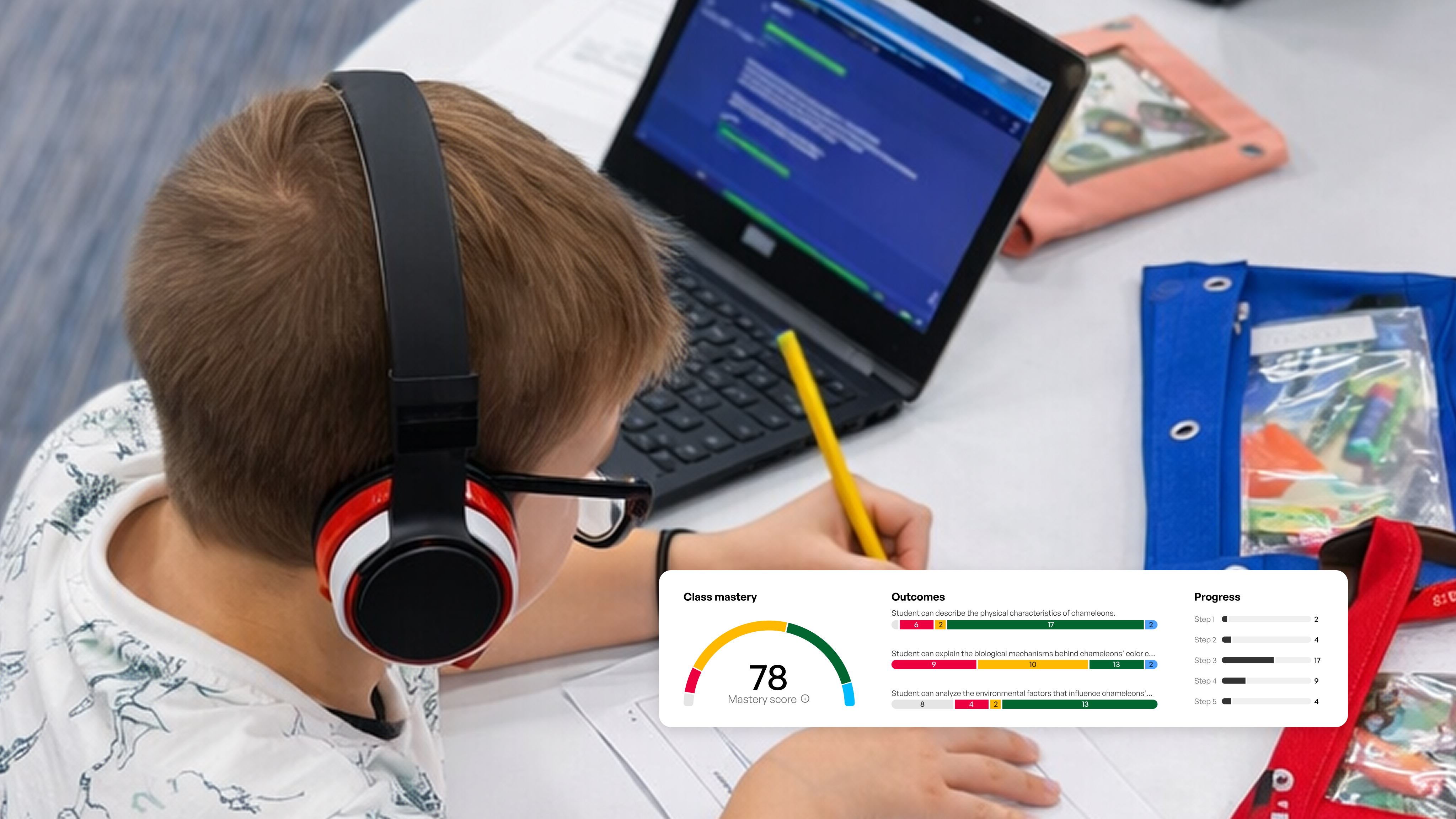
Student-centered learning strategies that empower K-12 classrooms
Key takeaways
-
Student-centered learning shifts students from passive recipients to active partners, with research showing 54% higher test scores in active learning environments compared to traditional lectures.
-
Implementation requires gradual release of responsibility: start with structured autonomous tasks and increase student control as self-regulation skills develop.
-
Active learning approaches reduce achievement gaps by 33% for exam scores and 45% for passing rates among underrepresented students.
-
Teachers become facilitators who guide exploration rather than lecturers who transmit information, creating more time for meaningful student connections.
Student-centered learning transforms how teachers approach instruction by placing students at the heart of their educational journey. Rather than passively absorbing information, students actively shape their learning experience through choice, collaboration, and self-direction.
When learners have genuine input into what and how they learn, they develop deeper connections to content and build the metacognitive skills needed for lifelong learning. For teachers managing diverse classrooms with varying reading levels, IEP requirements, and engagement needs, student-centered approaches offer practical frameworks for reaching every learner without creating 25 different lesson versions.
This article covers research-backed strategies for building student-centered environments that improve outcomes while developing critical thinking skills students need beyond the classroom.
What is student-centered learning?
Student-centered learning is an instructional approach where teachers shift from being the primary source of knowledge to becoming facilitators who guide student exploration and discovery. Students take active, collaborative roles in their learning while teachers provide structure, feedback, and support.
In student-centered classrooms, you'll notice shared focus between students and teachers, students choosing topics to explore, varied working arrangements including pairs, groups, and independent work, and students supporting each other while using the teacher as a resource. The classroom atmosphere tends to be dynamic and energetic rather than silent and passive.
Research published in the Proceedings of the National Academy of Sciences found that active learning reduced gaps in examination scores by 33% and narrowed gaps in passing rates by 45% for underrepresented students in STEM courses. This suggests student-centered approaches can help teachers reach students who might otherwise struggle in traditional lecture formats.
The theoretical foundations draw from educational theorists like John Dewey, who championed experiential learning, and Lev Vygotsky, whose zone of proximal development shows students often grasp concepts through peer interaction that they couldn't master alone.
How to implement student-centered learning in your classroom
Effective implementation starts with understanding your students as individuals before designing curriculum around their needs.
Begin by gathering student input about their interests, goals, and preferred learning methods. Design activities that address various learning styles, allowing students to apply strengths while developing weaker areas. Start with introductory autonomous assignments and gradually increase students' control over their learning plans. Create inclusive content reflecting students' cultural contexts to make learning more meaningful.
For classroom management, embrace productive noise as a natural byproduct of collaboration. Establish collaborative norms that empower students to take responsibility for managing their projects. Organize students by common interests, backgrounds, or complementary abilities. Consider using AI-powered tools to help identify student patterns and create flexible groupings without hours of manual sorting.
Assessment shifts focus from standardized measurement to authentic evaluation. Foster self-assessment where students evaluate their own progress. Provide targeted, actionable feedback focused on specific improvement areas. Implement peer review systems where students provide constructive criticism to each other.
What student-centered learning looks like in practice
Schools implementing student-centered learning approaches use various strategies depending on their context and goals.
Project-based learning engages students in tackling real issues in their communities, designing solutions with practical applications. For example, imagine a 7th-grade science teacher assigning students to investigate local water quality. Students choose their research focus, design data collection methods, and present findings to community stakeholders. The teacher provides guidance and resources while students drive the investigation.
Collaborative group work places small teams exploring complex topics together, each contributing strengths while developing new skills. This approach fosters peer learning and stronger classroom relationships when structured thoughtfully.
Student-led conferences replace traditional parent-teacher meetings with students presenting their work and progress directly to parents and teachers. This builds ownership and communication skills while giving families deeper insight into their child's learning journey.
Democratic classroom models involve students in decision-making about classroom procedures, project topics, and assessment methods. When students help establish the rules, they're more invested in following them.
Research on student-centered learning outcomes
Research from an Engageli study on active learning environments found that students in active sessions showed 13 times more talk time compared to passive lecture environments, with 16 times higher rates of non-verbal engagement through polls, chat, and interactive tools.
The same research found that students in active learning sessions achieved 54% higher test scores compared to traditional lectures. Students are also 1.5 times less likely to fail in active learning classes compared to traditional lecture courses. Montana State University documented mathematics course pass rates jumping from 63% to 81% following active learning implementation.
These outcomes align with what many teachers observe when implementing student-centered approaches: students who struggle in traditional settings often find their voice when given appropriate autonomy and support.
Common challenges and how to address them
Student-centered learning environments face several recurring obstacles that require thoughtful solutions.
-
Increased noise and perceived chaos often concerns teachers new to student-centered approaches. Establish clear collaborative norms at the beginning of the year. Recognize that engaged, productive students naturally generate more activity than passive listeners. Use signals to bring the class together when needed.
-
Resistance from students accustomed to traditional instruction requires patience. Some students initially struggle with increased responsibility for their learning. Start with small, structured autonomous assignments and gradually increase freedom as students build self-regulation skills.
-
Concerns about coverage arise when student-directed activities take longer than direct instruction. Focus on depth over breadth. Research suggests students retain more when they engage deeply with fewer concepts than when they passively receive more information.
-
Equity considerations matter when implementing student-centered approaches. Monitor participation patterns to ensure quieter students have opportunities to contribute. Use AI tools to help identify struggling students and provide differentiated support without creating separate lessons for each learner.
How SchoolAI supports student-centered classrooms
When thoughtfully integrated, technology can amplify student-centered approaches without adding to your workload. SchoolAI Spaces provides AI-powered learning environments where students explore topics at their own pace while you maintain oversight through the Mission Control dashboard.
The platform's design keeps teachers firmly in control. You create the learning experience once, and the AI helps differentiate for each student's needs. Real-time insights show which students are grasping concepts and who needs support, allowing you to intervene at the right moment rather than discovering gaps on Friday's quiz.
For teachers implementing student-centered approaches, this means spending less time creating multiple versions of assignments and more time facilitating meaningful conversations about growth. The platform meets FERPA and COPPA compliance standards, addressing privacy concerns while making personalized feedback scalable.
Building student-centered classrooms where learners thrive
Student-centered learning represents a meaningful shift in educational practice, moving from teacher-as-transmitter to teacher-as-facilitator. The research consistently shows benefits for engagement, achievement, and skill development, particularly for students who struggle in traditional settings.
Start small. Choose one strategy from this article, perhaps peer feedback protocols or student-led goal setting, and try it next week with one class. Observe what happens. Adjust based on your students' responses. Build from there.
The goal isn't perfection on day one. It's creating classrooms where students develop agency, critical thinking, and the self-regulation skills they'll need throughout their lives. Explore SchoolAI to discover how AI-powered tools can support your journey toward more student-centered instruction.

About the author
Jennifer Grimes
Education Specialist at SchoolAI, Former Educator, ELL Educator
Jennifer is a former classroom teacher and ELL educator with 20 years in education. She spent much of her career designing curriculum, coaching teachers, and building professional learning for multilingual and diverse learners. At SchoolAI, she partners with educators to create learning experiences that are clear, doable, and built around meeting people where they are.
Transform your teaching with AI-powered tools for personalized learning
See how every student is doing, and know what to do next.