AI tutors for peer learning: How to transform your classroom
See how AI tutors for peer learning enhance collaboration, personalize instruction, and help teachers create dynamic group experiences.
Stephanie Howell • Mar 13, 2026
Personalized Learning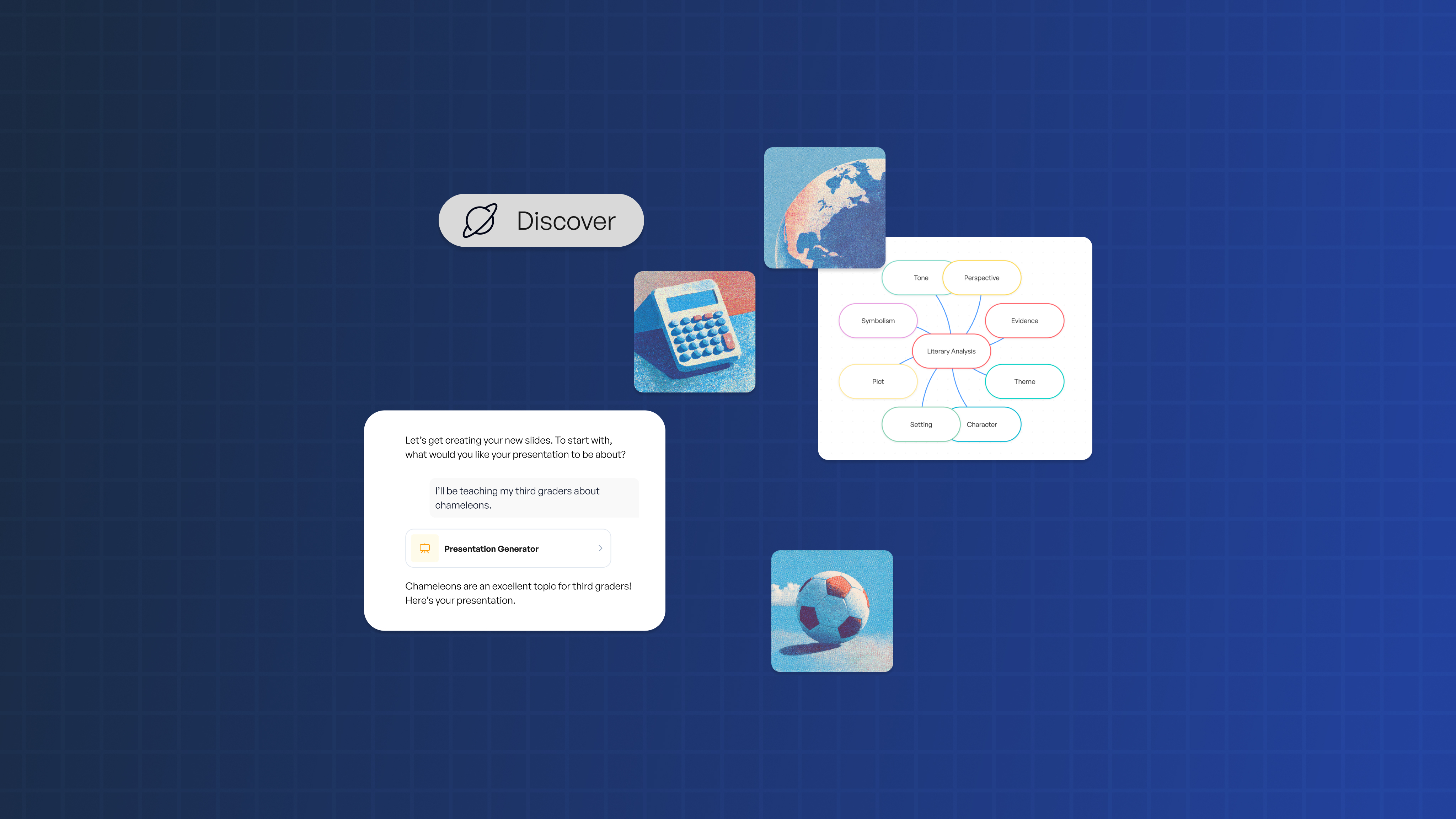
Key takeaways
-
AI tutors monitor individual learning patterns and adapt in real-time, handling routine tasks so teachers can focus on mentoring and building connections.
-
These systems enhance group learning by identifying complementary strengths, creating adaptive groupings, assigning personalized roles, and mediating interactions.
-
Effective implementation starts with clear learning objectives, gradual introduction, technology protocols, complementary group activities, and strategic classroom arrangements.
-
The "expertise exchange" model allows students who develop proficiency through AI tutoring to teach concepts to peers, reinforcing understanding for everyone.
-
Common challenges include addressing digital inequity, protecting student privacy, combating algorithmic bias, providing teacher training, and balancing screen time.
Understanding AI tutors for peer learning
AI tutors for peer learning represent a new approach to education that combines personalized instruction with collaborative experiences. These systems use intelligent algorithms to understand how each student learns, then facilitate meaningful interactions between peers based on complementary strengths and learning styles.
The technology works by tracking individual progress, identifying knowledge gaps, and creating opportunities for students to teach and learn from each other. This approach amplifies learning outcomes compared to either personalization or collaboration alone.
How AI tutors enhance peer learning in classrooms
The educational landscape is moving away from one-size-fits-all approaches toward more student-centered learning and interactive experiences. AI tutors are driving this evolution, optimizing instructional strategies for individual students while creating new opportunities for collaborative learning.
Limitations of conventional teaching methods
-
Time constraints prevent teachers from providing individualized attention.
-
Diverse learning needs make it difficult to support all students adequately.
-
Engagement issues arise when students feel disconnected from content.
These limitations force educators to balance personalization and collaboration within restrictive models, often leaving some students behind while others remain unchallenged.
The shift towards collaborative learning
In response, there's growing momentum toward more active learning approaches, with the flipped classroom model gaining particular traction:
-
Content delivery shifts to pre-class assignments, which can be facilitated by AI tutors that adapt to each student's pace and style.
-
In-class time is maximized for collaborative activities, discussions, and problem-solving.
Combining AI tutoring with collaborative activities creates a powerful learning environment addressing both personalization and collaboration needs.
Personalized learning capabilities of AI tutors
AI tutors transform how students engage with content and work with peers, creating unique opportunities for tailored instruction and improved group work.
AI tutors excel at delivering individualized learning through:
-
Domain models mapping curriculum requirements.
-
Student models tracking individual progress and challenges.
-
Tutoring models selecting optimal teaching strategies based on data.
This structure allows AI tutors to modify content difficulty, provide targeted feedback, and suggest additional resources when students struggle, enabling truly personalized education.
The real benefit comes from real-time feedback and proactive support, identifying patterns that signal potential challenges before frustration develops.
How AI tutors facilitate peer learning and collaboration
Recent research reveals significant advances in how AI tutors for peer learning can optimize group dynamics. AI can help teachers create unique, effective groupings by:
-
Identifying group patterns in how members interact during personalized learning sessions.
-
Creating adaptive groupings based on complementary strengths and learning styles.
-
Assigning personalized roles that align with individual skills while encouraging growth.
While students work in groups, AI chatbots can:
-
Provide real-time data so teachers can see which groups need support.
-
Support knowledge sharing through AI-powered collaborative platforms.
In practice, this might look like a math class where students learn calculus basics at home via AI tools for math, which identify where each excels or needs support. In class, teachers form "expert groups" based on this data, where students who have mastered different concepts teach peers.
Similarly, in a history class, an AI tutor might identify that some students have a strong grasp of primary source analysis while others excel at understanding timelines. Teachers can then form discussion groups where students share their strengths, deepening everyone's understanding through peer-to-peer dialogue.
Implementation strategies for AI tutors in peer learning
Successfully integrating AI tutors for peer learning requires thoughtful planning and execution. Here are some practical approaches for educators looking to enhance their classrooms.
Preparing your classroom for AI integration
-
Start with clear learning objectives: Define what you want students to achieve to improve learning outcomes before selecting AI tools.
-
Create a supportive environment: Introduce AI gradually, explaining its purpose and benefits to students.
-
Establish technology protocols: Develop guidelines for device usage, online interactions, and troubleshooting procedures.
-
Design complementary activities: Create group activities that build upon the personalized learning happening through AI tutors.
-
Arrange physical space strategically: Configure your classroom to facilitate both individual AI interaction and seamless transitions to group work.
Effective application techniques
-
Use AI assessment tools for targeted grouping: Form groups based on complementary skills identified through AI tutoring sessions.
-
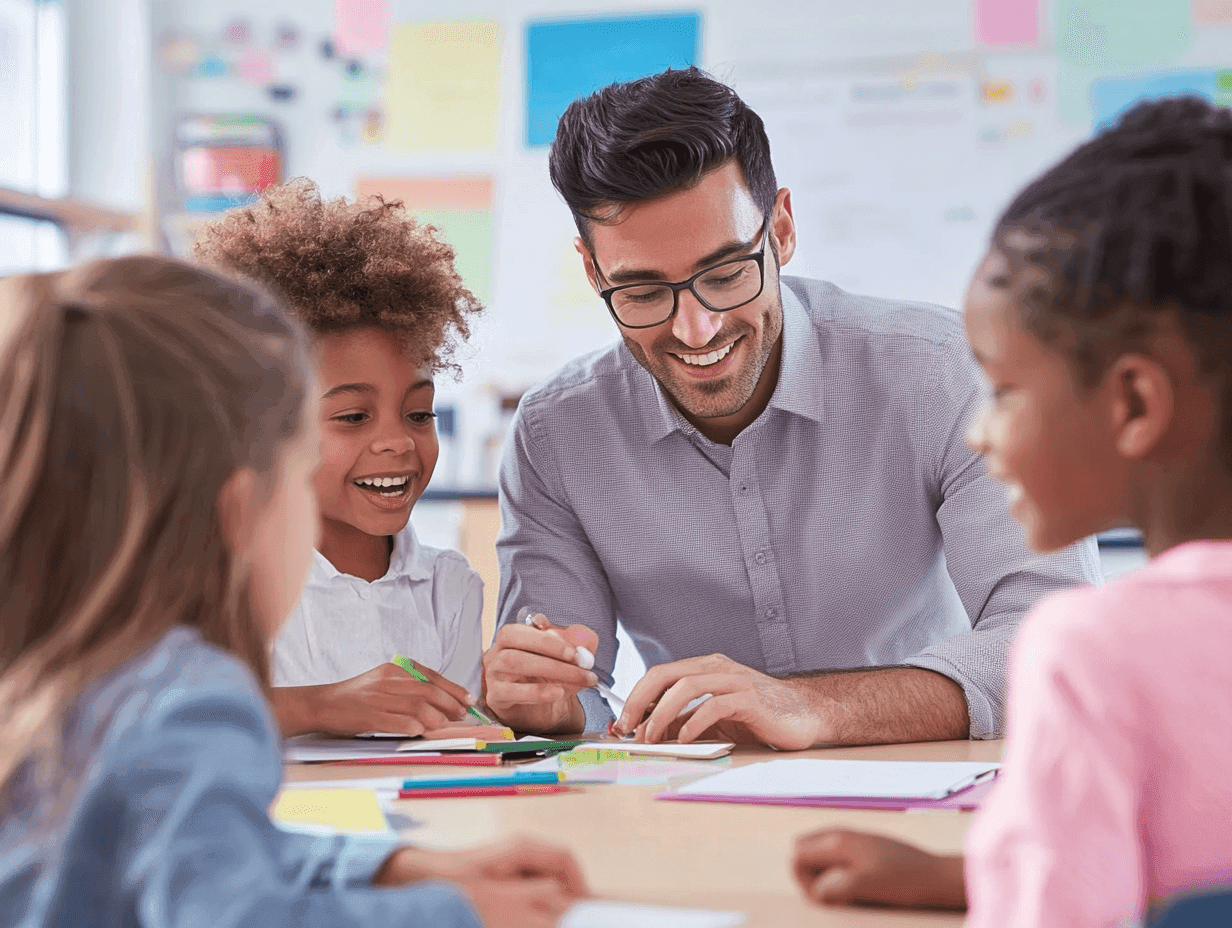
Implement the "expertise exchange" model: After students develop proficiency in different concepts through AI tutoring, create opportunities for them to teach these concepts to peers.
-
Leverage real-time monitoring: Use platforms that provide live analytics on individual and group progress.
-
Scaffold collaborative skills: Explicitly teach effective teamwork behaviors, using AI tutors to provide practice in communication and problem-solving.
-
Create AI-supported peer feedback loops: Structure opportunities for students to review each other's work with AI guidance.
-
Develop hybrid learning sequences: Design self-paced learning pathways that alternate between AI-guided individual practice and collaborative application.
Overcoming common challenges
-
Address the digital divide by ensuring equitable access to devices and reliable internet for all students.
-
Protect student privacy through clear data policies and compliance with regulations like FERPA.
-
Combat algorithmic bias by regularly reviewing AI recommendations.
-
Provide robust professional development through an AI training program to help educators feel confident integrating AI tools.
-
Balance screen time with face-to-face interaction to maintain social development.
Leveraging peer learning with SchoolAI
SchoolAI offers purpose-built tools designed specifically for AI tutors for peer learning in educational settings. Here's how the platform supports collaborative learning:
-
Spaces allows teachers to create customized AI learning environments where students can work individually while teachers monitor progress in real-time. This enables educators to identify complementary strengths and form strategic peer learning groups.
-
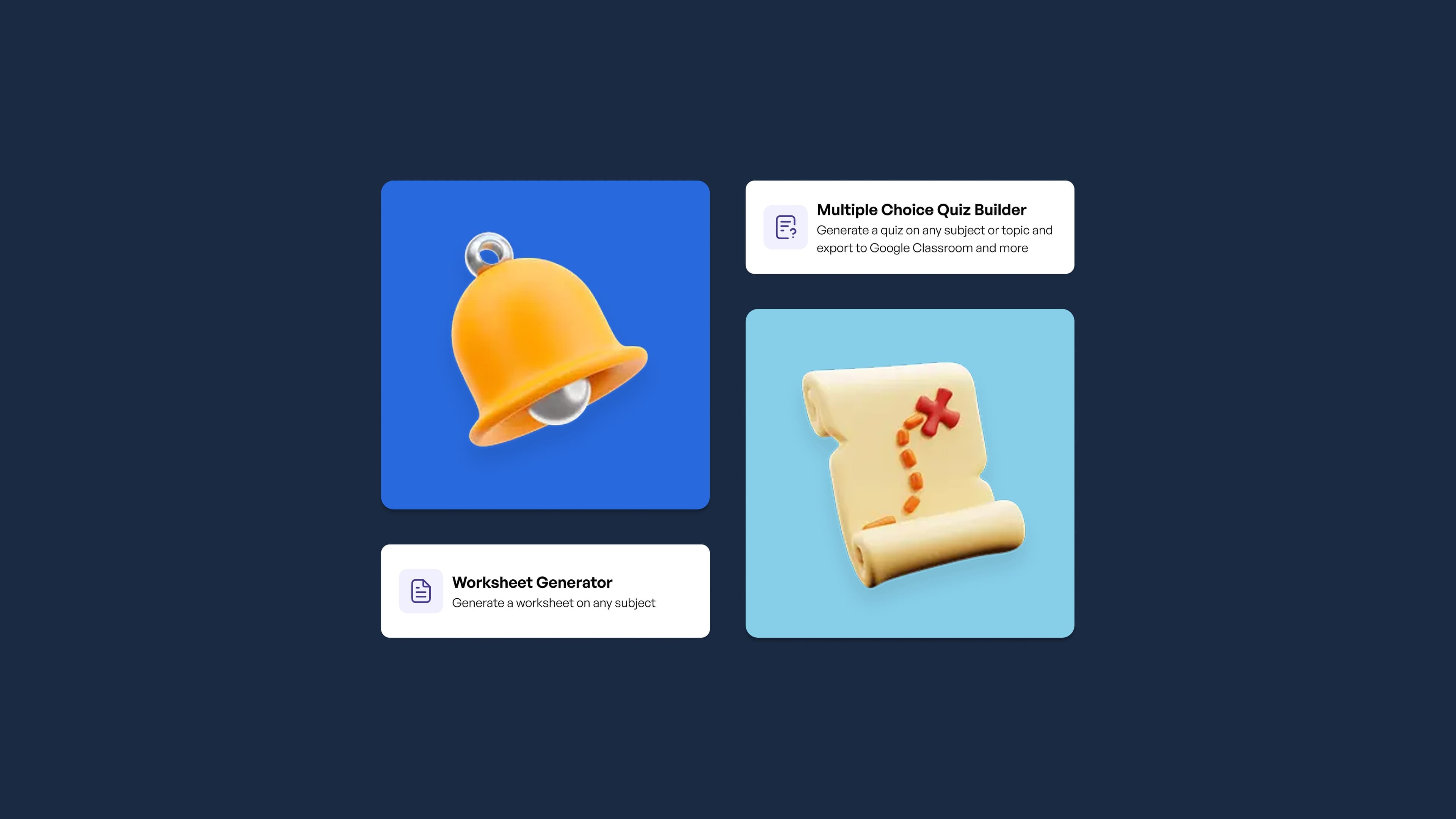
PowerUps provides ready-made AI activities that can be deployed for collaborative projects, helping students build on each other's knowledge while receiving personalized support.
-
Mission Control gives educators a comprehensive dashboard to oversee student interactions, track group dynamics, and intervene when peer learning groups need guidance.
-
Discover offers a library of peer learning activities and templates created by educators, making it easy to implement proven collaborative strategies.
SchoolAI prioritizes student safety and privacy, ensuring that peer learning happens in a secure, monitored environment where educators maintain full visibility.
Facilitating smart collaboration with AI tutors
AI tutors for peer learning are bridging the gap between personalization and collaboration. These intelligent systems adapt to individual student needs while supporting richer group learning experiences, creating more dynamic educational environments.
The most effective implementations use AI as a partner to skilled educators — not as a replacement. This approach frees teachers to focus on what only humans can do: nurturing critical thinking, emotional growth, and a culture of genuine collaboration.
By combining AI capabilities with the irreplaceable human elements of teaching, we create learning environments that are more personalized, collaborative, and effective for all students. Ready to transform your classroom with AI tutoring? Sign up for SchoolAI today to discover tools and resources that support your teaching while enhancing student collaboration and peer learning.
Frequently Asked Questions
Absolutely! You can use AI as a tutor to provide personalized instruction, instant feedback, and adaptive practice for students. AI tutors track individual progress, identify knowledge gaps, and adjust content difficulty in real time. They work best as supplements to classroom teaching rather than replacements for human educators. Teachers use AI tutors to handle routine practice while focusing their own time on mentoring, discussion, and building student relationships.
Yes. Several AI platforms are built specifically for educators. SchoolAI includes Spaces for customized learning experiences and Mission Control for monitoring student interactions. These tools are designed to address classroom workflows and student data considerations that general AI platforms may not fully cover.
The best AI for tutoring depends on your classroom needs, but education-specific platforms outperform general-purpose tools for K-12 settings. Look for AI tutors offering adaptive learning paths, real-time teacher dashboards, privacy compliance, and content filtering. Platforms built specifically for schools provide student safety features and curriculum alignment that consumer AI lacks. The most effective AI tutors support both individualized practice and collaborative peer learning.

About the author
Stephanie Howell
Education Specialist at SchoolAI, Former Teaching and Learning Coordinator
Stephanie is a former teaching and learning coordinator with a background in instructional coaching, classroom management, and curriculum development. She holds a master's in educational leadership from Western Governors University. At SchoolAI, she works with schools to lead AI adoption and professional learning, turning new tools into classroom-ready practice that teachers can put to work right away.
Transform your teaching with AI-powered tools for personalized learning
See how every student is doing, and know what to do next.