How Schools Measure Technology Impact
Learn how schools measure technology impact using learning outcomes, engagement, feedback, equity, and usage data.
Blasia Dunham • Aug 31, 2026
School & District Leadership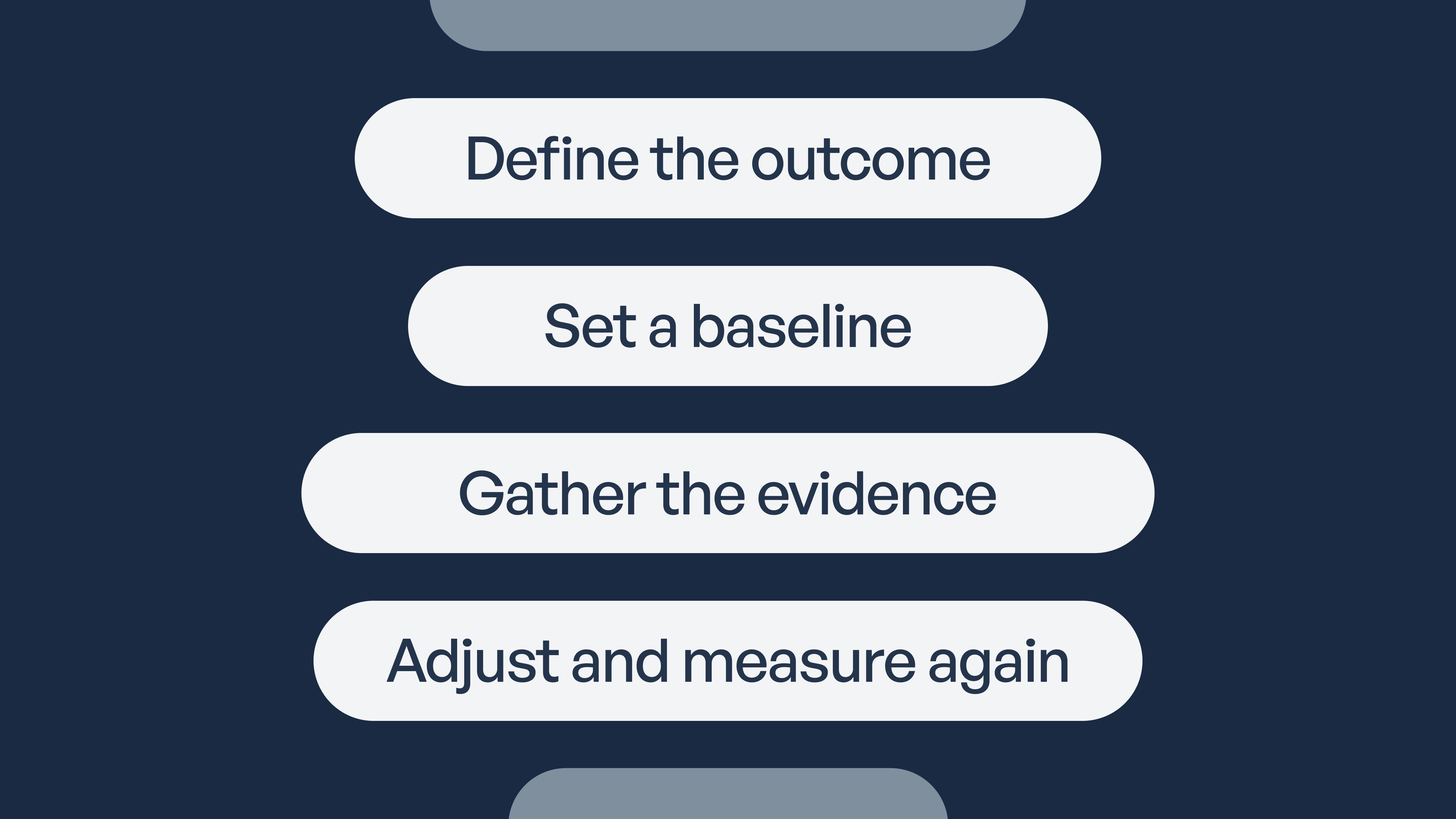
How schools can measure the true impact of technology
Measuring technology impact means figuring out whether a tool actually improves teaching, learning, and student outcomes, not just confirming that devices got purchased and logins happened. No single metric can answer that question by itself. Real evaluation combines academic outcomes, usage and engagement data, teacher and student feedback, equity measures, and operational considerations. There's a real difference between technology adoption and technology impact: logins, licenses, and devices show whether something is available or being used, while learning growth, instructional change, and meaningful engagement show whether it's actually producing value. This article gives administrators, technology leaders, instructional coaches, and educators a framework for deciding what to measure and how to turn those findings into better decisions. The metrics that matter most connect back to why a school adopted the technology in the first place. A tool meant to improve reading achievement should ultimately get evaluated against reading outcomes, not just usage.
Key takeaways
-
Adoption and impact are different questions. A tool can be widely used and still fail to move the outcome it was meant to support.
-
Strong evaluation combines academic data, usage analytics, qualitative feedback, and equity measures rather than relying on any single number.
-
Establishing a baseline before implementation makes it possible to actually compare results before and after.
-
High engagement doesn't automatically mean strong learning. Look at the quality of engagement, not just the quantity.
-
Technology evaluation should feed continuous decisions throughout the year, not just an end-of-year report.
What does technology impact mean in schools?
Technology impact is the measurable difference a tool makes in student learning, instructional practice, engagement, access, or school operations. Implementation and impact are related but not the same question. Implementation asks whether teachers and students can actually access and use the technology. Impact asks whether using it produces the intended result.
Schools should settle on a desired outcome before deciding which metrics matter. A reading intervention might prioritize reading growth. A classroom AI platform might prioritize mastery, instructional visibility, differentiation, or engagement. A district device initiative might prioritize access, instructional integration, and equity. It's worth watching both short-term indicators, like engagement and completion, and longer-term indicators, like academic growth and instructional change. Technology integration works better as an ongoing improvement process than a one-time implementation check, which lines up with the broader evaluation approach the National Center for Education Statistics has identified. SchoolAI takes the same position: establish meaningful success metrics before implementation instead of treating usage itself as the outcome. See how to evaluate AI tools.
Start by defining the outcomes the technology should improve
Schools can't meaningfully evaluate a technology without first defining the problem it was supposed to solve. Wherever possible, establish a baseline before implementation so administrators have something concrete to compare results against later.
Common technology goals include:
-
Improve academic achievement: increase mastery, assessment performance, reading levels, math proficiency, or other curriculum-aligned outcomes.
-
Increase student engagement: improve participation, assignment completion, persistence, or meaningful interaction with learning activities.
-
Improve instructional effectiveness: help teachers identify misconceptions, differentiate instruction, provide feedback, or intervene earlier.
-
Improve teacher efficiency: reduce repetitive administrative work so educators can spend more time on instruction and student support.
-
Expand access and equity: make sure students can participate regardless of disability, socioeconomic circumstances, language needs, or technology access.
-
Improve school operations: simplify workflows, reporting, communication, or administrative decision-making.
Choose a small set of primary and supporting indicators instead of tracking every metric a platform happens to make available. Decide what success looks like before a pilot or a district-wide rollout starts. SchoolAI's own guidance on EdTech pilots takes the same approach, framing evaluation around a needs assessment and the evidence gathered during implementation. Read SchoolAI's pilot process for EdTech tools.
The key metrics schools use to measure technology impact
1: Academic growth and learning outcomes
Measure whether students show greater mastery or academic growth when technology supports instruction. That can mean comparing pre- and post-assessment performance, tracking reading level or Lexile growth, watching math proficiency or percentile changes, reviewing curriculum-aligned assessment scores, checking mastery of specific standards or skills, or looking at standardized assessment results when there's a reasonable connection between the technology and the skill being assessed. Avoid assuming a technology caused an improvement just because both happened at the same time. Compare groups, time periods, classrooms, or baseline performance where it makes sense. AI tools that process assignments, quizzes, and participation signals can give more immediate evidence of mastery, helping educators spot performance patterns in real time rather than waiting for a final score. See how AI helps educators track student progress and outcomes.
2: Student engagement and platform usage
Platform analytics can show whether students are actually interacting with a technology the way it was intended. That includes active users, login frequency, time on task, module or assignment completion rates, participation rates, frequency of meaningful interactions, and patterns of progress or mastery within the platform. Usage is an indicator, not the final measure of effectiveness. More screen time doesn't automatically mean stronger learning. Look at the quality and purpose of engagement: are students staying involved, responding to feedback, and progressing through meaningful activities? Real-time dashboards can also surface misconceptions and engagement gaps while instruction is still happening, rather than only after a test. See how K-12 teachers use AI to boost engagement.
3: Teacher effectiveness and instructional impact
Evaluate whether technology actually makes it easier for teachers to understand students and adjust instruction. Look at whether teachers can identify struggling students earlier, how frequently and effectively they differentiate instruction, how quickly they give feedback, how confident they feel using the tool, how much time they save on repetitive tasks, and whether they can spot misconceptions or mastery patterns. Teacher proficiency belongs in this measurement too, since a strong tool can produce weak results if educators haven't gotten enough training or implementation support. Look at professional development participation alongside evidence that teachers are actually applying what they learned in the classroom. Teacher technology proficiency and professional development effectiveness are both part of evaluating technology integration overall. Read about teacher training for AI tools.
4: Teacher, student, and family feedback
Quantitative metrics need to be paired with qualitative evidence about what a technology actually feels like in practice. That means teacher surveys on usability, instructional value, and student response; student surveys on clarity, engagement, confidence, and learning experience; classroom observations of participation, collaboration, persistence, and distraction; parent or caregiver feedback when technology affects homework, home access, communication, or screen time; and focus groups or interviews that explain patterns visible in the quantitative data. Behavioral and classroom indicators that software analytics can't capture, like collaboration, critical thinking, frustration, independence, or distraction, matter here too. Student voice in particular can offer real evidence about whether an implementation is actually supporting learning in practice. See how AI supports curriculum design in blended learning environments.
5: Equity, accessibility, and access
Measure whether a technology produces benefits across student groups, not just in the average result. That includes device availability, reliable internet access at school and at home, accessibility for students with disabilities, support for multilingual learners, usage and outcome differences by student population, and differences in adoption between classrooms, schools, grade levels, or demographic groups. Equal access to hardware is only the starting point. Schools also need to know whether students can meaningfully participate and get comparable educational benefits. Segmenting learning and engagement data, where it's appropriate, can reveal gaps that district-wide averages tend to hide. Responsible technology implementation includes accessibility, privacy, transparency, human oversight, and equitable access all together. See what responsible AI in education looks like.
6: Safety, privacy, infrastructure, and operational impact
Non-academic measures determine whether a technology is actually sustainable and appropriate for a school environment. That includes data privacy and compliance, cybersecurity requirements, compatibility with existing systems, network and infrastructure reliability, administrative workload, licensing and implementation costs, and support requirements. A tool can produce useful classroom results and still be a poor district-wide investment if it creates unacceptable privacy, security, infrastructure, or administrative burdens. For AI specifically, schools should evaluate data handling, student protections, educator controls, transparency, and applicable privacy requirements before implementation. See SchoolAI's trust and safety resources, or review key questions on AI data privacy before implementation.
See whether classroom technology is improving learning
SchoolAI gives educators real-time mastery data inside teacher-designed AI experiences, making learning progress easier to see and act on.
How schools collect and evaluate technology impact data
Establish a baseline
Capture relevant performance, engagement, teacher experience, and access data before a major implementation or pilot whenever possible. Match baseline data to the outcomes established earlier rather than collecting unrelated metrics just because they're available.
Combine quantitative and qualitative data
Quantitative evidence shows what changed; surveys, interviews, and classroom observations help explain why it changed. Bring together assessment data, platform analytics, teacher observations, student feedback, and relevant operational measures. Avoid basing major purchasing or renewal decisions solely on a vendor's own dashboard metrics.
Compare results across time and student groups
Compare performance before and after implementation while accounting for other instructional or curriculum changes happening at the same time. Look at results by classroom, grade, school, subject, or student group where it's appropriate. Consistency across sources is a good sign: a technology investment is more convincing when academic results, engagement data, and teacher observations all point the same direction.
Review data while there is still time to act
Move beyond annual or end-of-year reviews by using formative technology data throughout the school year. Real-time or frequent learning evidence can help teachers catch misconceptions and adjust instruction before students reach a final assessment. Modern classroom AI can make some of these signals more visible by surfacing how students are progressing while they work, not only through final scores. Read about the human side of AI in education.
How schools determine whether a technology investment is working
1: Are students achieving the intended learning outcome?
Compare current academic or mastery measures against the original baseline and success target. Keep meaningful educational outcomes separate from surface-level adoption measures like logins or total minutes used.
2: Are teachers using the technology effectively?
Look at adoption alongside teacher proficiency, instructional integration, confidence, and professional development. Low adoption might point to an implementation or training problem rather than proving the technology itself doesn't work.
3: Are students meaningfully engaged?
Evaluate participation, completion, persistence, mastery progression, and classroom observations rather than assuming more screen time equals stronger engagement.
4: Is the technology working equitably and safely?
Look for differences in access, usage, and outcomes across student populations. Confirm that privacy, accessibility, security, and infrastructure requirements are still being met as adoption grows. Read more on AI tool safety in education.
5: Does the evidence justify continuing, changing, or replacing it?
Bring learning outcomes, engagement, teacher feedback, equity findings, operational requirements, and costs together into one decision. That decision might mean scaling successful uses, adjusting implementation, adding professional development, narrowing licenses, running another pilot, or discontinuing a tool that isn't producing enough educational value.
Turn technology measurement into continuous improvement
Technology evaluation should lead to action, not turn into an annual reporting exercise that sits in a folder. Schools can use their findings to change instructional strategies, professional development, licenses, technology configurations, access programs, or future procurement criteria. The evaluation cycle typically looks like this:
-
Define the educational outcome.
-
Establish baseline measures.
-
Implement the technology.
-
Gather academic, engagement, feedback, equity, and operational evidence.
-
Identify gaps and successful practices.
-
Adjust implementation.
-
Measure again.
End-of-year evaluation is a good opportunity to compare results and set priorities for the next school year, but schools should keep making improvements throughout the year too. This cycle connects directly to district-wide technology rollout: sustainable adoption depends on ongoing implementation support and the ability to actually translate technology into instructional practice, not just make the platform available. Read about district-wide technology rollout strategies.
Make learning impact easier to see with SchoolAI
Schools can only improve their technology investments when they can see whether students are actually progressing toward the outcomes the technology was adopted to support. Traditional metrics like licenses, logins, and time spent can show adoption, but educators also need visibility into learning itself. SchoolAI was built around that need. Students learn inside teacher-designed, guardrailed AI experiences, and educators get real-time mastery data that helps show whether students are actually achieving the outcomes that matter. Teacher-designed experiences keep technology connected to instructional objectives. Real-time mastery information provides evidence beyond basic usage. Educator visibility helps teachers recognize understanding, misconceptions, and moments to step in while learning is still happening. Student safety and educator control support responsible implementation at the same time. See how SchoolAI can help schools move from measuring whether technology is being used to understanding whether it's contributing to meaningful learning. Request a demo or sign up today.

About the author
Blasia Dunham
Education Specialist at SchoolAI, Former Technology Integration Specialist
Blasia is a former technology integration specialist who spent years coaching teachers through co-teaching, hands-on training, and one-on-one support. A semi-finalist for AI Educator of the Year, she's known for turning teacher hesitation into confidence. At SchoolAI, she helps educators find their footing with AI the same way she helped teachers find their footing with tech: side by side, one step at a time.
Transform your teaching with AI-powered tools for personalized learning
See how every student is doing, and know what to do next.